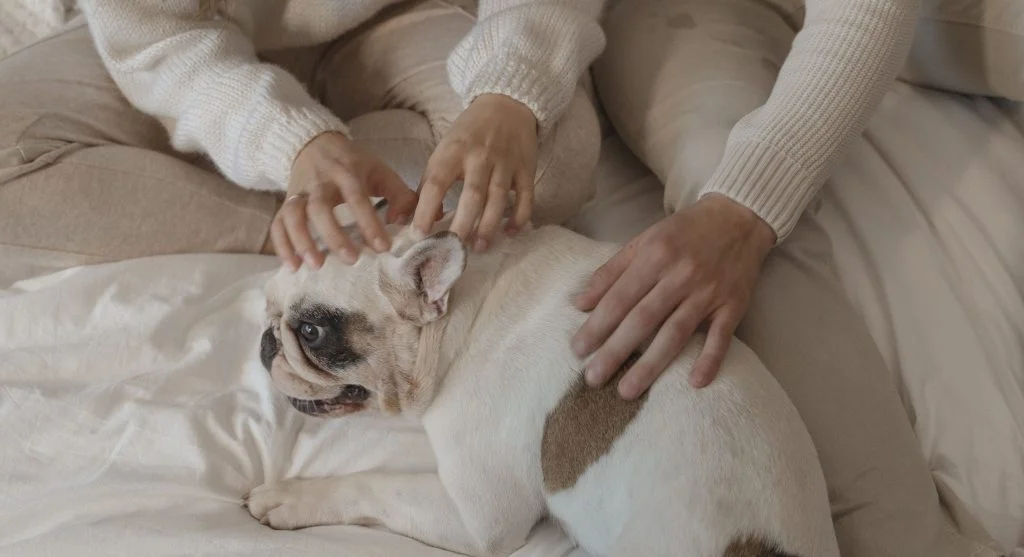
How Bulldogs Adapt to Apartment Living, Family Homes, and Different Lifestyles
Bulldogs have earned a reputation as affectionate, loyal companions that fit comfortably into many different households. Unlike breeds developed for demanding physical work, bulldogs generally prefer spending time close to their families. Their calm personality, moderate exercise needs, and adaptable nature make them suitable for many living situations.
However, adapting successfully to a home depends on more than the size of the house. Daily routines, family schedules, exercise opportunities, indoor comfort, and social interaction all influence a bulldog’s quality of life. A small apartment with attentive owners may provide a happier environment than a large home where a dog spends long hours alone.
Canine behavior specialists often explain that bulldogs value routine and companionship more than space alone. Understanding how this breed adapts to different lifestyles helps owners create an environment where their dog can remain comfortable, confident, and engaged throughout every stage of life.
Bulldogs Can Thrive in Apartments
Many people believe large dogs cannot live comfortably in apartments, but bulldogs often prove otherwise. Their relatively calm temperament means they generally do not require constant high-intensity activity indoors.
Apartment living can suit bulldogs when owners establish consistent daily routines. Scheduled walks, regular bathroom breaks, and opportunities for mental stimulation often become more important than the size of the living area itself.
Noise management also plays a role. Bulldogs typically bark less frequently than many other breeds, making them popular companions in apartment communities where excessive barking may disturb neighbors.
Veterinary professionals frequently recommend ensuring apartments remain cool and well-ventilated, particularly during warmer seasons, because bulldogs may become uncomfortable in excessive heat.
Life in a Family Home
Family homes often provide bulldogs with additional indoor and outdoor space to explore. Many bulldogs enjoy spending time in living rooms where family members gather, quietly observing household activities.
Yards can offer opportunities for supervised play and short exercise sessions. However, large outdoor spaces should not replace regular interaction with family members. Bulldogs generally value companionship more than independent outdoor activity.
Children who understand respectful interactions often develop strong relationships with bulldogs. Animal behavior experts encourage adults to supervise interactions while teaching children how to approach, pet, and play with dogs appropriately.
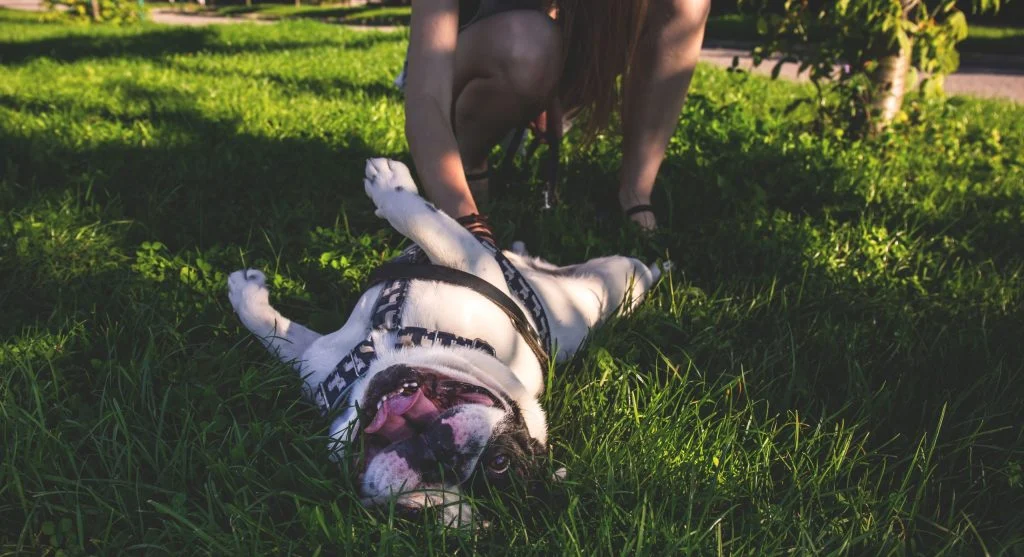
Daily Routine Shapes Bulldog Lifestyle
A predictable routine often contributes to a successful Bulldog lifestyle regardless of where the dog lives. Bulldogs commonly respond well to consistent schedules involving meals, walks, rest, and family interaction.
Morning routines might include a short walk, breakfast, and quiet relaxation. Afternoon periods often involve rest followed by another opportunity for movement later in the day.
Routine provides stability while helping owners monitor eating habits, hydration, and activity levels more effectively.
Exercise Without Overexertion
Bulldogs enjoy activity, but moderation remains important. Their physical build makes them better suited for shorter walks than lengthy running sessions.
Many canine fitness professionals recommend exercising during cooler parts of the day, especially during warmer months. Morning and evening walks often provide more comfortable conditions.
Interactive games inside the home can also provide mental stimulation while encouraging movement without placing excessive physical demands on the dog.
Living With Other Pets
Many bulldogs adapt well to multi-pet households when introductions occur gradually and positively. Early socialization often helps puppies develop confidence around other animals.
Owners should allow pets to become familiar with one another at their own pace. Positive experiences generally encourage healthy long-term relationships.
Behavior specialists frequently recommend supervising early interactions while ensuring every pet has access to personal resting spaces and feeding areas.
Travel and Lifestyle Changes
Modern families often travel or experience changes in routine. Bulldogs generally adapt best when transitions occur gradually.
Maintaining familiar items such as bedding, toys, or feeding schedules may help reduce stress during temporary changes in environment.
Planning ahead also supports successful travel experiences. Owners should consider weather conditions, hydration opportunities, and scheduled rest periods during longer trips.

Creating a Comfortable Indoor Environment
Indoor comfort influences Bulldog lifestyle every day. Bulldogs appreciate comfortable bedding, quiet resting spaces, and environments where they can remain close to family members.
Many owners create designated relaxation areas where bulldogs can rest while still observing household activity. Comfortable flooring, clean water, and moderate indoor temperatures all contribute to daily well-being.
Because bulldogs enjoy spending time with people, isolating them for extended periods may reduce opportunities for social interaction that many dogs value.
Building Strong Family Relationships
One reason bulldogs remain popular companions is their ability to form close relationships with people. Daily routines that include play, training, grooming, and quiet companionship strengthen these bonds.
Canine behavior experts frequently explain that positive interaction contributes to emotional well-being while reinforcing trust between dogs and owners.
Simple activities such as walking together, practicing basic commands, or relaxing in the same room often become meaningful parts of everyday Bulldog lifestyle.
Frequently Asked Questions
Q: Can bulldogs live happily in apartments?
A: Yes. Many bulldogs adapt well to apartment living when they receive regular exercise, mental stimulation, and consistent routines.
Q: Are bulldogs good family dogs?
A: Bulldogs are often known for their affectionate and loyal personalities, making them popular family companions.
Q: How much daily exercise does a bulldog need?
A: Most bulldogs benefit from moderate daily walks and supervised play rather than strenuous exercise.
Q: Can bulldogs live with other pets?
A: Many bulldogs adapt well to other animals when introductions are gradual and positive.
Q: What matters most in a Bulldog lifestyle?
A: Consistent routines, companionship, appropriate exercise, and a comfortable environment all contribute to a healthy lifestyle.
Key Takeaway
A successful Bulldog lifestyle depends less on the size of the home and more on the quality of care provided. Consistent routines, regular companionship, moderate exercise, comfortable indoor spaces, and positive family interaction help bulldogs adapt well to apartments, suburban homes, and many other living situations. Understanding these needs allows owners to create an environment where bulldogs can remain healthy, relaxed, and deeply connected with their families.
